Introduction: The Global Commerce Imperative
In today’s hyper-connected marketplace, businesses of all sizes are expanding their reach beyond borders. Whether you’re running an e-commerce store, a logistics company, or a multinational corporation, accurate mailing and shipping information is essential. At the heart of reliable cross-border operations lies a powerful yet often underappreciated tool—international address verification.
This article explores why address verification is critical to global success, delving into the challenges of managing international data and the benefits of using robust verification tools. From cost savings to customer satisfaction, the impact of accurate address handling is profound and measurable.
The Complexity of Cross-Border Address Formats
Diverse Formatting Standards
Every country has its own format for writing addresses. Some prioritize postal codes, others require province or district names, and a few use completely unique character sets. This diversity can confuse automated systems, resulting in misdeliveries and undelivered shipments.
Language and Character Variations
International addresses may be written in Cyrillic, Arabic, Mandarin, or other scripts, depending on the destination. Address verification tools must recognize and normalize different languages, which requires advanced natural language processing and global database support.
Incomplete or Ambiguous Inputs
Customers often make mistakes while entering addresses, especially when ordering from foreign sites. Missing postal codes, incorrect city names, and formatting errors are common. A good verification system can auto-correct these errors in real time.
The Consequences of Inaccurate Address Data
Increased Shipping Costs
Failed deliveries result in repeat shipping charges, returns, and wasted resources. For high-volume shippers, these inefficiencies can accumulate rapidly and hurt the bottom line.
Delayed Order Fulfillment
Incorrect addresses lead to shipping delays, which erode customer satisfaction and loyalty. Timely delivery is a key factor in customer retention.
Customs and Compliance Issues
Improper address formatting can raise red flags during customs processing, leading to detained shipments, fines, or confiscated goods. Verification ensures that shipments meet international documentation standards.
Damage to Brand Reputation
Customers expect professional service, regardless of location. A delivery failure due to an avoidable address error can damage your brand’s credibility and lead to negative reviews.
The Technology Behind Address Validation Tools
Global Postal Databases
Advanced verification tools access comprehensive postal data from around the world. These databases are regularly updated with address changes, newly added streets, and revised postal codes.
Real-Time Correction Algorithms
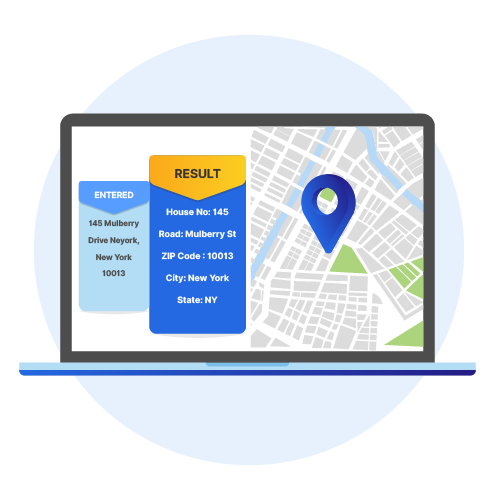
Smart software instantly compares user input against official data, offering suggestions or auto-corrections to standardize the address format before final submission.
Geocoding and Location Intelligence
Some platforms go beyond simple validation by mapping addresses to precise geolocations. This enhances delivery accuracy and enables advanced logistics planning.
API Integration for Automation
Many solutions offer seamless API integration, allowing real-time validation within checkout forms, CRMs, or logistics systems. This automation reduces manual review time and improves operational efficiency.
Industries That Depend on Address Accuracy
E-Commerce and Online Retail
Retailers face constant pressure to fulfill orders quickly and accurately. Address verification reduces return rates, streamlines logistics, and minimizes customer service disputes.
Third-Party Logistics Providers (3PLs)
3PLs handle complex supply chains. Verified addresses mean fewer handoffs, less re-routing, and greater client satisfaction across global networks.
Financial Services and Banking
Banks and insurers must verify client addresses for KYC (Know Your Customer) compliance. Accurate location data ensures regulatory adherence and reduces fraud risk.
Government and Public Services
Public sector agencies use address verification for census data, election material distribution, and emergency response planning. Data integrity is critical.
Healthcare and Pharmaceuticals
Prescription fulfillment, lab results, and medical equipment require error-free delivery. Reliable address data protects patient privacy and supports regulatory compliance.
Benefits of Implementing International Verification Tools
Improved Delivery Success Rates
With standardized, validated addresses, parcels are far more likely to reach their destination on the first attempt, reducing costly re-deliveries and delays.
Enhanced Customer Experience
A smooth checkout experience with real-time address suggestions reassures customers and builds trust. On-time deliveries contribute to positive reviews and repeat business.
Lower Operational Overhead
Eliminating address-related errors reduces the need for customer support, manual intervention, and complex re-routing workflows.
Better Data Management
Validated address data improves the quality of your customer database, making it more useful for marketing, analytics, and CRM integration.
Competitive Advantage
Companies that invest in robust address validation solutions position themselves ahead of competitors struggling with shipping inefficiencies and customer dissatisfaction.
Challenges in Verifying International Locations
Changing Postal Standards
Countries occasionally revise address formats, rename cities, or introduce new postal codes. Continuous updates are essential to maintain verification accuracy.
Rural and Remote Areas
Some regions lack formal address systems, making verification difficult. In such cases, geolocation-based tools or local delivery partnerships can fill the gap.
Privacy and Data Security
Address data is sensitive, especially when tied to financial or health-related transactions. Verification tools must comply with GDPR, CCPA, and other privacy regulations.
System Integration Complexity
Adding verification to legacy systems or diverse platforms can be challenging without proper API documentation and developer support.
How to Select the Right Address Verification Solution
Global Coverage
Ensure the tool supports address formats and postal standards for all countries where you operate or plan to expand.
Multi-Language Support
The ability to interpret, standardize, and display addresses in native languages is essential for usability and data consistency.
Customization Options
Look for solutions that allow you to customize validation rules, user interface behavior, and response formats.
Scalable Infrastructure
Your verification platform should handle growing data volumes, especially during peak seasons or major international campaigns.
Security and Compliance Readiness
Choose vendors with strong encryption, access controls, and data retention policies that align with international regulations.
Steps for a Successful Implementation
Conduct a Needs Assessment
Evaluate current error rates, customer complaints, and fulfillment inefficiencies. Identify how verification can address these issues.
Choose an Integration Method
Decide between batch processing, on-demand API validation, or a combination based on your business model and tech stack.
Test and Optimize
Run pilot programs with sample data to evaluate performance and accuracy. Refine rules and logic based on observed issues.
Train Internal Teams
Ensure customer service, IT, and logistics teams understand how the system works and can leverage it to resolve address-related queries.
Monitor Metrics
Track KPIs such as delivery success rate, return frequency, and customer satisfaction to measure the impact of the implementation.
Case Studies: Real-World Outcomes
Global Apparel Brand
After integrating an international address verification API, a fashion retailer reduced failed deliveries by 27% and improved delivery time by two days on average.
Multinational Courier Service
A logistics company achieved a 40% decrease in return-to-sender parcels by using real-time address correction during order entry.
SaaS Subscription Platform
A subscription box provider expanded into 15 new countries without increasing support tickets, thanks to integrated validation at checkout.
The Future of Address Accuracy
AI-Enhanced Parsing Engines
Artificial intelligence will further improve how systems interpret messy, unstructured input and extract accurate, complete address components.
Dynamic Learning Systems
Advanced tools will learn from past corrections and regional behaviors to offer even more accurate suggestions over time.
Global Address Standardization Initiatives
Collaborations between governments and international organizations may lead to more uniform standards, easing verification complexity.
Expanded Use of Geolocation
As GPS and mobile data become ubiquitous, more platforms will validate addresses based on physical coordinates rather than written input alone.
Final Thoughts: Invest in Precision for Global Growth
International address verification is not just a technical upgrade—it’s a strategic investment in operational excellence, customer satisfaction, and global scalability. Inaccurate addresses cost money, time, and reputation, while validated data empowers businesses to deliver consistently and efficiently.
From the checkout page to the customer’s front door, every successful delivery begins with one thing: a correct address. Make verification part of your digital infrastructure, and you’ll be rewarded with smoother operations and satisfied global customer