Introduction: A Broken Delivery Ecosystem
The global shipping ecosystem is more complex than ever. With the rise of international e-commerce, cross-border logistics, and multi-channel fulfillment strategies, companies face enormous pressure to ensure accurate and timely deliveries. However, a surprisingly persistent issue continues to hinder performance: poor address quality.
Address verification has emerged as a critical solution to combat delivery errors, manage costs, and delight customers. By eliminating inaccuracies and standardizing destination details, businesses can unlock operational efficiencies and a better customer experience. This guide explores how implementing address validation can transform global shipping.
The Roots of International Shipping Errors
Variability in Global Address Standards
No two countries address their mail the same way. From differing placement of postal codes to unique naming conventions, global address formats vary widely. These discrepancies create headaches for shipping systems not equipped to handle such variety.
User-Generated Input Mistakes
Customers regularly make typos, omit apartment numbers, or use outdated information. Manual data entry errors are one of the top causes of misdelivered or returned packages.
Lack of Real-Time Validation
Many businesses still rely on static address lists or manual review. Without real-time validation during checkout or order entry, mistakes often go unnoticed until they result in failed deliveries.
Inadequate Handling of Non-Latin Scripts
Addresses in languages like Arabic, Japanese, and Russian pose additional challenges. Systems must correctly parse, store, and print non-Latin characters to support diverse markets.
What Is Address Verification?
Definition and Purpose
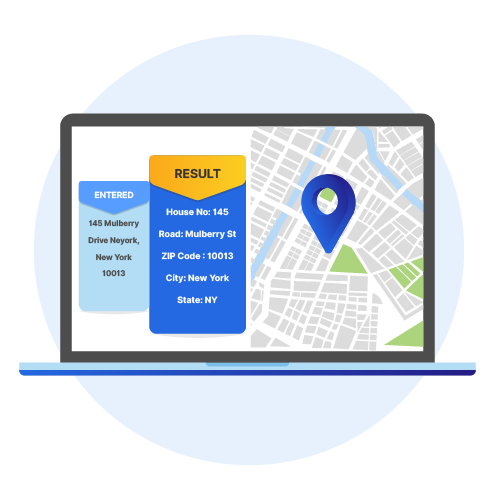
Address verification is the process of checking whether a given postal address is accurate, complete, and deliverable. It involves matching user input with official postal data and suggesting corrections where necessary.
Components of an Effective System
An advanced verification platform supports global databases, performs syntax checks, validates addresses in real time, and integrates easily into existing workflows via APIs or plug-ins.
Standardization vs. Geocoding
While address validation focuses on correcting and formatting addresses, geocoding adds precise latitude and longitude coordinates. Together, they provide a comprehensive solution for shipment accuracy and route optimization.
The Business Case for Verification Technology
Reduced Shipping Failures
Failed deliveries due to bad addresses cost businesses millions in replacement shipping, customer support, and lost goods. Accurate verification ensures more parcels reach their destination on the first attempt.
Increased Operational Efficiency
Correct addresses reduce manual sorting, prevent last-mile delays, and allow automated systems to function properly. Verification eliminates the guesswork that slows down fulfillment.
Enhanced Customer Satisfaction
On-time delivery is a key driver of customer loyalty. By avoiding errors and delays, brands improve their reputation and encourage repeat purchases.
Lower Support Volume
Customer inquiries about lost or delayed shipments put pressure on support teams. Fewer address-related problems free up resources and improve service response times.
Address Validation Across Shipping Touchpoints
E-Commerce Checkout Pages
Integrating validation into checkout ensures errors are corrected before orders are placed. Real-time suggestions also speed up the buying process.
Warehouse Management Systems
Verified addresses help fulfillment teams pick, pack, and ship items accurately. They reduce the need for repackaging and redirection.
Shipping Label Generation
Labeling software can use verified data to ensure barcodes and addresses are readable and accurate, preventing scanning issues and manual reprocessing.
CRM and Order Management Platforms
Clean, standardized address data improves customer records, enabling better service, targeted marketing, and faster lookups.
Technologies Powering Modern Verification
Address Parsing Engines
Parsing algorithms break down free-form input into structured components like street, city, postal code, and region. This step is essential for normalization.
Postal Authority Databases
Accurate validation depends on access to regularly updated data from global postal services. These databases confirm that an address actually exists and is deliverable.
Cloud-Based API Services
APIs provide scalable access to address validation features without building custom infrastructure. They’re ideal for businesses of all sizes.
Machine Learning and AI Enhancements
AI helps refine suggestions, interpret ambiguous inputs, and improve validation accuracy over time. It also enables learning from customer behaviors and regional nuances.
Challenges in Implementing Global Solutions
Managing Regional Variations
Different countries have unique formats, abbreviations, and naming conventions. Systems must handle these variations without rejecting valid entries.
Dealing with Incomplete Data
Some users only enter partial information. The best systems can infer missing fields using contextual analysis and location data.
Data Privacy and Compliance
Storing and processing address information must comply with data protection laws like GDPR and CCPA. Vendors need secure architectures and clear policies.
Integration with Legacy Platforms
Older software may lack modern interfaces or APIs. This makes integration difficult, requiring middleware or custom development to enable verification.
Best Practices for Maximizing Address Accuracy
Use Autocomplete at Checkout
Autocomplete helps users fill in correct information faster and reduces input errors. It’s especially useful for mobile devices.
Validate in Real-Time
Real-time validation catches errors immediately, allowing customers to make corrections before finalizing their purchase.
Provide Visual Feedback
Highlighting incorrect fields or offering suggested corrections improves user experience and increases form completion rates.
Standardize Addresses in Your Database
Periodic cleaning of stored addresses ensures consistency and improves analytics, marketing segmentation, and reporting accuracy.
Monitor KPIs for Continuous Improvement
Track metrics like return-to-sender rate, delivery time, and support calls related to address issues. Use these insights to refine your verification strategy.
Industry-Specific Use Cases
Online Retail and Direct-to-Consumer Brands
Fast shipping is a competitive differentiator. Verified addresses reduce return rates and improve first-attempt delivery success.
Freight and Logistics Providers
Large volumes and tight schedules require precision. Address validation minimizes routing delays and scanning errors.
Subscription Box Services
Recurring deliveries depend on accurate data. Verification ensures subscribers receive their products without interruption.
Healthcare and Medical Deliveries
Patient privacy and timely arrival of medical supplies are crucial. Reliable address handling supports compliance and operational safety.
International NGOs and Humanitarian Aid
Delivering to remote or unstructured locations requires flexible and accurate validation tools. Verification enhances distribution in crisis zones.
ROI of Investing in Address Tools
Fewer Package Returns
Returns are expensive. Fewer address mistakes mean fewer undeliverable shipments and lower associated costs.
Improved Conversion Rates
Faster, error-free checkouts reduce cart abandonment, especially on mobile. This has a direct impact on revenue.
Streamlined Internal Processes
Clean data reduces the workload for logistics, support, and compliance teams. Automation leads to better resource allocation.
Stronger Brand Perception
Successful, timely deliveries improve trust. Customers view reliable logistics as part of excellent service.
Emerging Trends in Address Tech
Location-Aware Devices
Smartphones and IoT tools help confirm delivery addresses based on GPS data, enabling hyper-local precision.
Global Address Standards Collaboration
Efforts are underway to develop unified formats and protocols that simplify cross-border validation.
AI-Driven Correction Suggestions
Machine learning will increasingly power address autocompletion, error prediction, and behavioral adaptation based on user profiles.
Blockchain for Address Data Security
Some companies are exploring blockchain to store verified addresses securely and enable tamper-proof records.
Final Thoughts: Precision Is the Future of Shipping
Global shipping is only as strong as the data behind it. Address verification provides the precision needed to compete in a fast-paced, borderless economy. Businesses that embrace validation tools reduce inefficiencies, increase satisfaction, and strengthen their brand in an increasingly competitive marketplace.
Fixing global delivery isn’t just about faster planes or better packaging—it’s about ensuring the destination is right every single time. Address verification makes that possible.