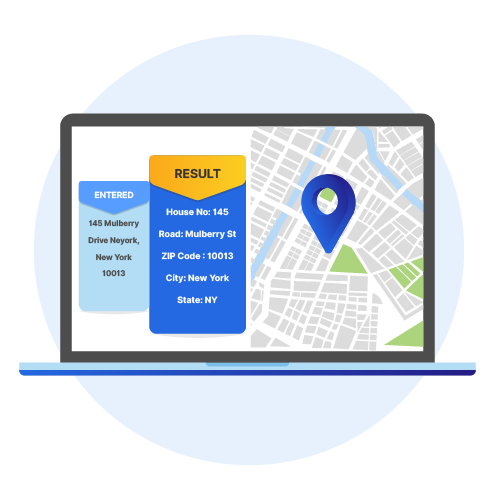
Introduction: Address Accuracy as a Global Business Priority
In an increasingly digital world, physical deliveries remain critical to business success. Whether shipping consumer goods, legal documents, or medical supplies, the first step in fulfillment is ensuring the address is correct. This task becomes even more complex—and vital—when dealing with global shipments.
International address checks play a crucial role in minimizing delivery failures, optimizing operations, and enhancing customer satisfaction. In this comprehensive guide, we explore the need for reliable address verification systems, the consequences of inaccurate data, and the best practices for implementing validation tools.
Challenges of Global Address Management
Structural Differences Across Borders
Address formats differ widely between regions. What works in the United States may not apply in Japan, France, or Brazil. These variations include different sequences, special characters, and the use of regions, provinces, or codes.
Language and Script Compatibility
Shipping internationally often involves addresses written in non-Latin scripts, such as Cyrillic, Chinese, or Arabic. Address software must parse and interpret multilingual input to function globally.
User Errors and Incomplete Data
Customers often enter addresses incorrectly—misspelled streets, missing apartment numbers, or inaccurate postal codes. Manual review is time-consuming and doesn’t scale.
Unstandardized Input Formats
The same address can be written multiple ways. Without a uniform structure, shipping systems may treat variations as different destinations or fail to process them at all.
Key Benefits of Implementing Global Address Validation
Reliable Delivery Outcomes
Correcting and validating addresses ensures packages are delivered to the correct location the first time, reducing returns and delays.
Lower Fulfillment Expenses
Fewer delivery errors translate into significant cost savings. Avoiding re-shipments, refunds, and customer service intervention preserves profit margins.
Smoother Checkout Experiences
Validation tools embedded in checkout forms suggest and correct addresses in real time, reducing friction and improving conversion rates.
Clean and Consistent Customer Records
Valid addresses contribute to a well-maintained customer database, which supports accurate reporting, segmentation, and personalization.
How Verification Software Improves International Shipping
Database Matching for Validation
Address tools compare user input against postal databases from around the world. Matches are corrected, completed, and formatted to regional standards.
Geolocation Integration for Accuracy
Some advanced solutions use geospatial coordinates to confirm the physical existence of an address. This adds another layer of accuracy beyond syntax checks.
Dynamic Suggestion Engines
Auto-complete features speed up data entry and guide users toward valid options. These reduce typos and improve data quality from the outset.
Country-Specific Formatting Rules
Good tools adapt to each country’s address conventions. They ensure city names, district labels, and postal codes align with local expectations.
Industries That Depend on Address Verification
Cross-Border E-Commerce Platforms
Retailers shipping internationally must ensure timely deliveries to keep customers satisfied. Address checks reduce failed orders and lower return rates.
Global Freight and Courier Services
Logistics providers managing thousands of daily shipments depend on clean data for routing, customs clearance, and on-time performance.
Healthcare Distributors and Labs
Reliable address data is vital when shipping temperature-sensitive or confidential health items. Verification improves safety and compliance.
Financial Institutions and Insurance Firms
For identity verification, billing, and fraud prevention, financial service providers need to confirm customer addresses with a high degree of accuracy.
Government Programs and Public Sector Mailings
Public agencies must deliver official notices, election materials, or census forms without errors. Verifying recipient locations ensures accurate reach.
Address Verification vs. Manual Entry Review
Speed and Scale Advantages
Automated tools process thousands of addresses in seconds. Manual checks are slow and cannot handle high volumes efficiently.
Improved Consistency
Software applies the same logic to every entry, reducing the risk of inconsistent formatting or human error.
Cost Savings
Automating validation reduces labor costs and operational delays. It also minimizes the expense of handling failed deliveries.
Real-Time Corrections
Dynamic validation catches issues as users type, preventing bad data from ever entering your system.
What to Look for in a Global Verification Tool
Comprehensive Coverage
Choose tools that include postal data for every country you serve, including rural or developing areas with less structured addressing.
Script Recognition Capability
Your software should handle Unicode and support global scripts, ensuring it can process native-language inputs correctly.
Scalable Infrastructure
As your business grows, your address solution should scale with you—without compromising performance.
Seamless Integration Options
Look for solutions with APIs or pre-built connectors that work with your e-commerce, CRM, or ERP platforms.
Security and Regulatory Compliance
Any service you use should comply with GDPR, CCPA, and relevant data protection laws. Choose vendors that encrypt data and provide access controls.
Deployment Strategies for Address Checks
Inline Validation at Point of Entry
Validating addresses during user input prevents errors from being saved in the first place. It also improves form completion rates.
Batch Processing for Existing Records
Run bulk validation checks on customer or lead databases to clean and standardize legacy data.
Integration with Order Management Systems
Verified addresses streamline order fulfillment, reduce warehouse confusion, and improve inventory accuracy.
Feedback Loop to Customers
If validation identifies potential issues, prompt users to confirm or revise the information before proceeding.
Technical Insights into Address Parsing
Component Separation and Analysis
Parsing tools split input into fields like street name, city, postal code, and country, then verify each individually.
Syntax and Rule-Based Logic
Address formats follow certain rules. For instance, a UK postcode always contains specific patterns. Validation software checks for compliance.
Fuzzy Matching for Ambiguity
When exact matches can’t be found, intelligent systems use probability and context to suggest likely corrections.
Confidence Scoring
Some systems assign a confidence score to each address, helping teams prioritize which entries need review.
Long-Term Gains of Clean Address Data
Accurate Analytics and Reporting
With validated addresses, reports based on location—like regional sales, returns, or market reach—are more reliable.
Improved Marketing Campaigns
Location-based promotions and mailings reach the right audiences more effectively when addresses are verified.
Stronger Logistics Planning
Address accuracy aids in route optimization, delivery scheduling, and carrier selection.
Lower Risk of Non-Compliance
In regulated industries, address checks help meet legal requirements for documentation and proof of delivery.
Real-World Examples of Success
Online Marketplace Growth
An international e-commerce company reduced failed shipments by 35% after adding real-time address verification to its checkout flow.
Courier Company Efficiency
A logistics provider cut its undeliverable parcel rate in half within a year of implementing batch address validation.
Healthcare Expansion
A diagnostics lab used geocoding to validate remote locations before dispatching mobile testing units, avoiding costly errors.
Trends Shaping Address Verification’s Future
Voice and Mobile Input Adaptation
As users increasingly dictate addresses or type them on mobile devices, verification tools must adapt to varied input methods.
AI-Powered Suggestion Engines
AI will continue to enhance correction and completion capabilities, especially in poorly structured or ambiguous entries.
Location-Based Personalization
Address validation will be tied to customer preferences and real-time location data for better UX and targeted content.
Blockchain for Secure Address Records
Distributed ledgers may eventually offer a tamper-proof way to maintain and validate verified address information.
Conclusion: Accuracy Is an Investment, Not an Expense
Getting the address right is more than just good housekeeping—it’s essential for operational efficiency, customer happiness, and global scalability. International address checks are the backbone of any successful cross-border logistics strategy.
By embracing validation technology, businesses can eliminate costly errors, improve delivery precision, and gain deeper insights into their global customer base. In the race to win at international commerce, accuracy is your strongest competitive advantage.


